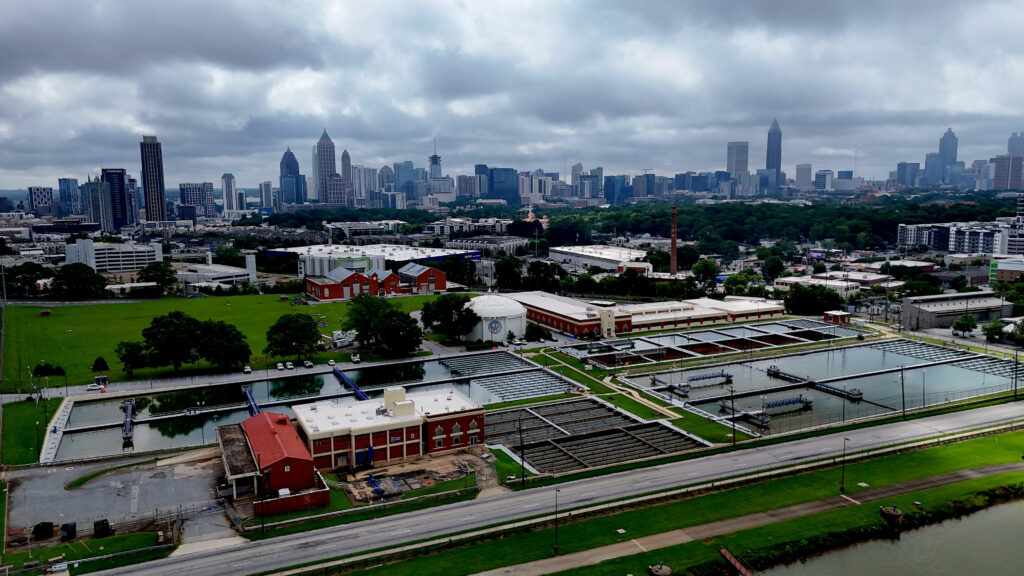
Water Utilities in the Metropolitan North Georgia Water Planning District are facing unprecedented challenges as they plan for a future with increasing climate variability and extreme weather events.
Why Resilience Planning for Water Utilities Matters
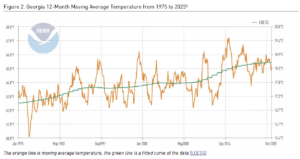
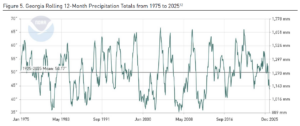
Shifts in temperature and precipitation are significant factors influencing utility planning and operations. These fluctuations may drive both drought stress and flooding risks within short time frames.
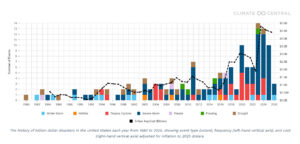
Water infrastructure facilities in the District have recently been impacted by extreme weather events, including droughts, floods, hurricanes, and tornados.
Without proactive planning for climate change, the resulting costs can add up quickly.
- Prolonged heat and drought conditions can strain water supply, lower reservoir levels, and cause water quality changes that increase treatment costs.
- Conversely, more intense rainfall events and increased storm frequency heighten risks of flash flooding, greater inflow and infiltration in wastewater collection systems, and more wear on stormwater collection and detention practices.
- Extreme weather events, billion-dollar disasters or otherwise, can result in power and service disruption and inaccessible or damaged infrastructure.
However, preparation and early investment can save utilities money in the long run.